When I first arrived in Montpellier, a city in the south of France, I was struck by how pleasant it felt—blessed with the warmth and sunshine of southern France, yet moving to a light, relaxed rhythm. For travelers, understanding the local transportation system is the key to exploring in depth. In Montpellier, not only is the transport system efficient and convenient, but it also has unique character. Whether it’s the colorful trams, buses that connect the suburbs to the city center, or the charming walkable routes, this city welcomes each visitor in its own way.
Based on my personal experience, I’ll guide you through Montpellier’s tramway system, bus services, walking paths, and ticket purchasing methods, making it easy to transition from one part of your journey to the next.
I. Tramway: Moving Artworks on Rails
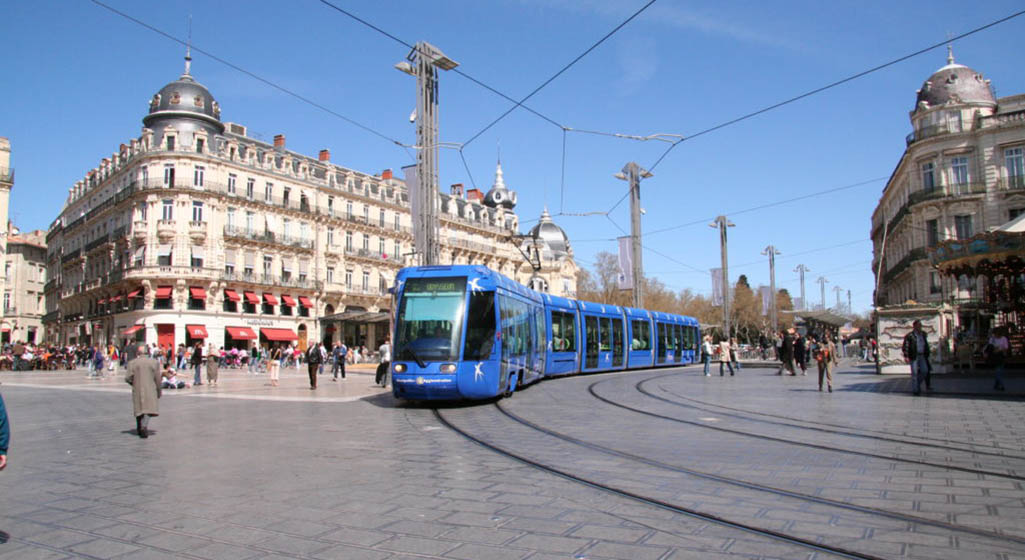
On my first day in Montpellier, I was immediately captivated by the trams weaving through the city center. Unlike those in Paris or Lyon, Montpellier’s tramway isn’t just a means of transport—they’re moving pieces of art. Each line is uniquely themed and vividly decorated by artists, creating a vibrant sight that grabs your attention right away.
1. Overview of the Four Main Lines
Currently, Montpellier operates four main tram lines:
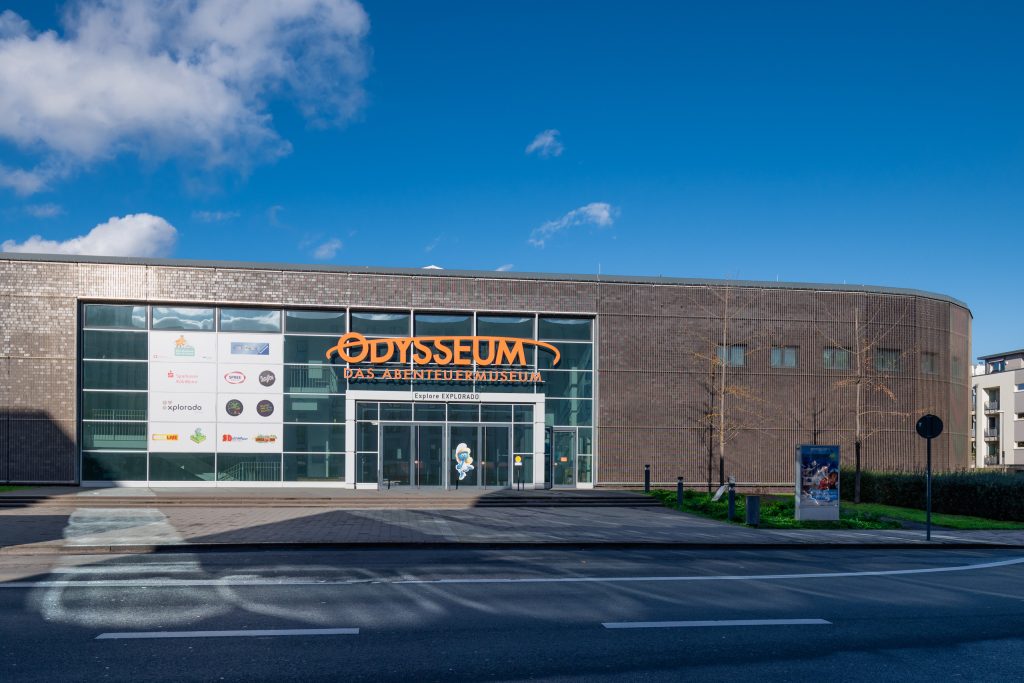
- Tram 1 (Blue Line): Starts from Mosson in the north, passes through the central Comédie Square, and ends at Odysseum—a popular and frequently used line.
- Tram 2 (Red Line): Runs east-west across the city and is useful for reaching residential and less touristy areas.
- Tram 3 (Orange Line): Designed with African animal patterns, it connects Pérols near the beach to Juvignac in the west.
- Tram 4 (Gold Line): Operates in a loop around the city center, making it ideal for transferring or doing a circular tour of the core area.
The main transfer stations are Comédie and Gare Saint-Roch, which are also the most popular stops for visitors. My hotel was just five minutes on foot from Comédie, and from there, I could reach virtually any part of the city.
2. Operating Hours and Frequency
Trams typically run from around 5:00 AM until midnight. On weekends and holidays, the hours may be slightly reduced. During peak hours, they arrive every 5–7 minutes, and during off-peak times, every 10–15 minutes, making them highly convenient for both locals and travelers.
One weekday afternoon, I took Tram 1 to the Odysseum shopping mall—the whole trip took less than 20 minutes. The carriage was clean and well-lit, with LCD screens showing the upcoming stops. It was very easy to navigate, even without speaking French.
II. Buses: Reaching Where Trams Can’t
While the tram system covers most of Montpellier, buses still play an important role, especially in suburban or newly developed areas. I once attended a lecture at the southern campus of the University of Montpellier, and had to take bus 15 or 51 to get there.
1. Routes and Coverage
Bus services in Montpellier are jointly operated by Hérault Transport and TaM (Montpellier’s public transport company), and include dozens of routes that connect the outer edges, residential zones, and some tourist spots. Bus stops are often located near the tram lines for easy transfers.
Some particularly useful lines include:
- Line 11: Connects suburban housing to the CHU Lapeyronie Hospital.
- Line 15: Serves industrial and research park areas.
- Airport Shuttle (Line 120): Direct link between the airport and the city center.
- Line 620: A budget-friendly alternative that involves walking from the airport to Parc Expo before catching the bus.
Buses usually run every 30 minutes to an hour, so it’s wise to check the schedule in advance on the TaM website or app.
2. Experience and Practical Tips
Most buses have screens displaying current and upcoming stops, and some may also have audio announcements. While most drivers don’t speak English, they are typically friendly and helpful. One driver even helped me get off at the correct stop after noticing I was holding a map—very thoughtful!
For those planning longer stays or multiple trips, I recommend getting a TaM travel card or a 10-trip ticket to save money.
III. Exploring on Foot: Best for a Relaxed City
Unlike the bustling cities of Paris or Marseille, Montpellier is a city made for walking. The city center is compact, and many key sights are within close range. Most of the best experiences here come from wandering the streets on foot.
1. Recommended Walking Routes
These are some of my favorite walking routes, great for first-time visitors wanting to get a feel for the city:
- Comédie Square – Aix Avenue – Jardin des Plantes: This route takes you through the city’s lively center with a blend of historic sites and lush green spaces.
- Saint-Roch Station – Saint-Pierre Cathedral – Promenade du Peyrou: A nice mix of history and local life, especially lovely during the evening.
- Odysseum Mall – Aquarium – Coastal Trails: Ideal for families or those who enjoy seaside walks.
During my walks, I especially enjoyed the hidden alleyways, archways, and occasional encounters with street performers or pop-up markets. These spontaneous discoveries often outshine the marked tourist sites.
2. Tips and Walkability
Most sidewalks in Montpellier are well-paved, and traffic is generally orderly. However, in the old town, some streets are narrow or cobbled, so I recommend comfortable flat shoes. In summer, be sure to carry water, sunscreen, and a hat—the southern sun can be harsh, particularly around midday.
IV. Tickets: How and Where to Buy
Getting around in Montpellier means knowing how to buy and validate tickets. Fortunately, the system is traveler-friendly, efficient, and offers various flexible options to suit different needs, whether you’re in town for just a day or planning a longer stay.
1. Single and 10-Trip Tickets
- Single Ticket (Ticket unité): €1.60 per trip, valid for 1 hour from validation, including unlimited transfers between trams and buses within that timeframe. Ideal for one-off journeys or spontaneous outings.
- 10-Trip Ticket (Carnet 10 voyages): Priced at €10.00, this ticket offers a discount for those planning multiple short trips during their stay. It’s perfect for visitors who will be using public transport regularly but not excessively.
Tickets can be purchased from:
- Self-service machines at tram stations. These machines have both French and English language options and accept both credit/debit cards and cash, making them convenient for everyone.
- Onboard buses : You can buy a ticket directly from the bus driver; however, only cash payments are accepted, so make sure to have the right amount.
- TaM mobile app : This is a great option if you prefer digital convenience. You can buy e-tickets via the app and simply scan your code when boarding, saving time and reducing the need for physical tickets.
- Tobacco shops or station kiosks : These shops sell printed tickets, making them a useful option if you’re in need of a ticket while passing through the city.

2. Day Passes and Multi-Day Options
For those who plan to explore Montpellier extensively, the 24-hour pass (Pass 24h) is an excellent choice. At €4.30, it allows unlimited access to the entire tram and bus network for a full day, making it great for tourists who want to cover a lot of ground. If you’re staying longer or want to keep your options open, there are also 3-day and 7-day passes, which are great for more flexible travel plans.
When using the TaM app, purchasing and validating tickets is a breeze. Simply open the app, purchase your ticket, and scan the QR code at tram gates or on buses to validate it. This app-based system is quick and convenient, providing a hassle-free way to get around.
V. My Recommendations for Getting Around
Having explored Montpellier for several days, I’ve come up with a few travel strategies that will help you make the most of your time in the city while minimizing travel stress. Here are some helpful tips:
- City Center and Old Town: Walking is the best way to experience the city’s charm. Montpellier’s city center is compact and pedestrian-friendly, with most of the key sights within easy walking distance. This allows you to soak in the local atmosphere, enjoy the architecture, and discover hidden gems along the way. Walking also saves energy, especially when you don’t have to deal with the crowds and traffic of bigger cities.
- Destinations like Odysseum or university areas: For longer distances or when you’re heading to more specific destinations, Trams 1 and 3 are your go-to options. These trams provide a direct and comfortable connection to places like the Odysseum shopping center, the university areas, and the southern coastal region.
- From the airport: The 120 Airport Shuttle is the most convenient option, taking you directly to the city center. However, if you’re looking to save a bit of money, consider the budget-friendly combination of bus 620 plus a tram ride. It’s slightly longer but costs significantly less and still gets you to the heart of the city.
- Multiple trips in a day: If you plan on using public transport several times in a single day, a 10-trip ticket or a 24-hour pass is a cost-effective choice. These options allow you to travel more freely without having to purchase tickets for every single journey, and they provide flexibility in your travel plans.
Montpellier’s public transport system is efficient, reliable, and easy to use. With its calm and relaxed pace, it’s a pleasant city to explore, and the transport options ensure that you can move about without feeling rushed or overwhelmed. Whether you’re just passing through or spending an extended time in Montpellier, the city’s transport system will serve as a solid foundation for all your adventures.