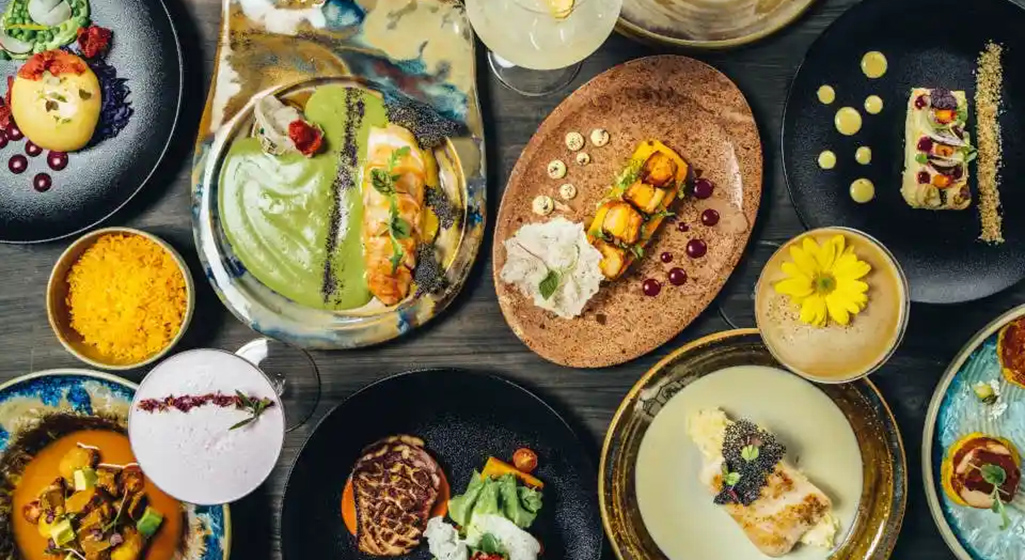
First Arrival in Quito: My Palate Introduced Me to the City Before the Map Did
When I first arrived in Quito, I expected to be drawn in by its Old Town, churches, and mountain scenery. In reality, however, it was the food that captivated me first. The air in this high-altitude city is crisp and clear, yet carries a cool, restrained quality—a climate that naturally makes one crave a hot, comforting meal.
So, during my few days in Quito, I didn’t make a deliberate effort to chase tourist attractions; instead, I chose to piece together the city’s flavors through five different types of restaurants. From traditional highland cuisine to modern fusion, and from humble eateries to fine dining establishments, every meal felt like reading a page of the city’s story.
Restaurant No. 1: Casa Gangotena Restaurant—An Elegant Breakfast in a Colonial Mansion
My culinary journey in Quito began at Casa Gangotena Restaurant. It is housed in a restored colonial mansion right in the heart of Quito’s Old Town.
Stepping into the restaurant, the first thing I noticed was the quiet atmosphere. With its soaring arches, vintage floor tiles, lush courtyard greenery, and soft lighting, the space felt like a hidden historical museum.
I chose a window seat for breakfast. The table was spread with fresh fruit, toasted bread, eggs, and local coffee. The fruit impressed me the most; Ecuador boasts an incredible variety of fruits, and they were far sweeter than I had imagined.
As I ate, I watched the interplay of light and shadow in the courtyard—the pace was wonderfully unhurried. It felt as though the city hadn’t quite woken up yet, while I had already settled into a state of peaceful tranquility.
Restaurant No. 2: Zazu—A Modern Culinary Experience in the Highlands
My second stop was Zazu Quito. In contrast to the historic ambiance of the first restaurant, this venue was distinctly modern.
The lighting design was minimalist, the layout open, and the overall atmosphere cosmopolitan. I opted for the tasting menu. Each dish highlighted local ingredients but was presented in a thoroughly modern style.
What left the deepest impression was a seafood dish infused with Andean flavors. It offered a rich complexity of textures and tastes, combining the natural savoriness of the seafood with the subtle, aromatic spices of the region. The service was impeccable and attentive. As each dish was served, the waiter would briefly explain its origins and preparation method.
This experience made me realize that Quito is not just about tradition; it is also constantly engaging in a dialogue with the wider world.
Third Restaurant: Vista Hermosa—Savoring the Cityscape from the Hillside
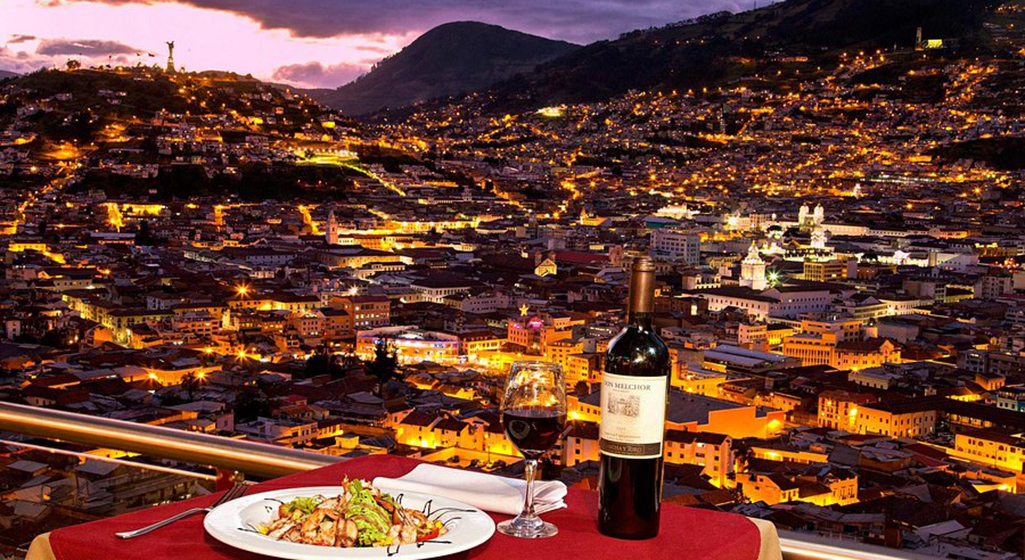
The third stop was Vista Hermosa Quito. Perched on a hillside, it offers a commanding view of the entire city.
I chose to visit at dusk. By the time I arrived, the sun was slowly setting. The restaurant’s terrace faced a panoramic view of Quito, with the city seemingly unfurled gently across the valley.
I ordered a traditional grilled meat dish with a side of local corn. The food itself was simple, yet it became something truly special when paired with the scenery. As darkness fell, the city lights began to twinkle, and the silhouettes of distant churches and neighborhoods gradually emerged.
In that moment, I realized that the “main course” at this restaurant wasn’t the food—it was the city itself.
Fourth Restaurant: Mercado Central Quito—An Authentic Lunch in the Market
If the previous three restaurants represented various levels of refined dining, Mercado Central Quito was a world apart. This was no tourist trap; it was a genuine local market.
Stepping inside, the sounds, smells, and rhythms hit me with immediate intensity. Stalls were packed with locals, and the air was thick with the mingled aromas of fruit, soup, and grilled meat.
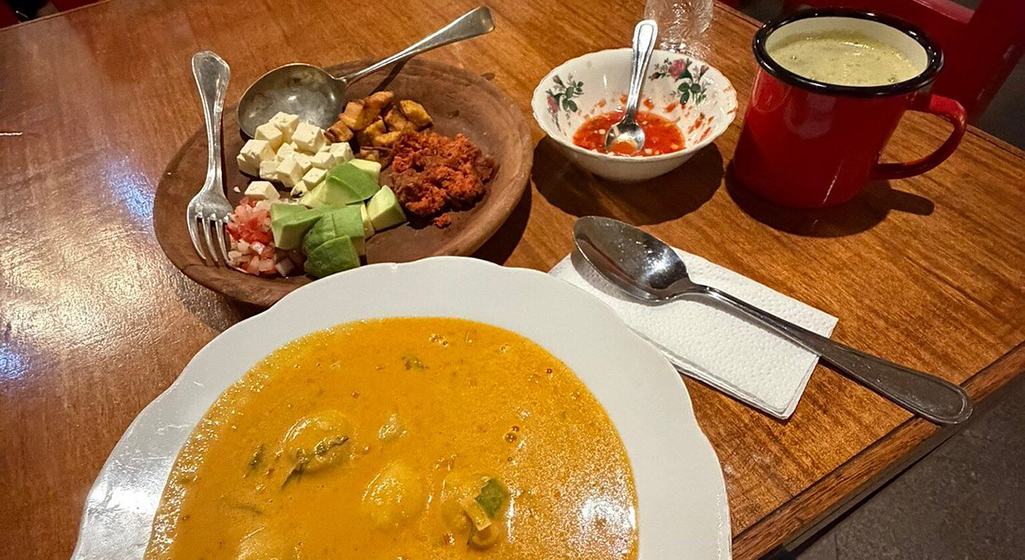
I chose a modest stall for lunch, ordering a local soup and a side of rice. The soup was rich and flavorful, boasting meaty notes and layers of aromatic spices. There were no “touristy” embellishments here—just people focused on eating, chatting, and going about their work.
That meal made me feel as though I had briefly become a part of Quito’s everyday life.
Fifth Restaurant: La Purísima—Creative Ecuadorian Cuisine by Night
The final stop was La Purísima Quito. Located in a renovated building in the Old Town, the restaurant strikes a balance between traditional and modern styles.
Stepping inside at night, I was greeted by warm lighting and a relaxed, sociable atmosphere. I ordered a creative fusion tasting menu. One dish, centered on local potatoes, left a lasting impression. Ecuador is one of the ancestral homes of the potato, and this dish showcased various potato varieties prepared in different ways, all combined into a single, cohesive creation. The flavors evoke a distinct sense of the highlands—unpretentious, yet rich in nuance. I lingered at the table long after the meal ended; it wasn’t just the food that held me there, but an atmosphere that made me reluctant to leave.
The flavors of Quito reveal themselves gradually
When I left Quito, I couldn’t recall the names of specific dishes, yet I held onto so many moments:
The aroma of coffee in a morning courtyard; city lights viewed from a hillside restaurant; steaming bowls of soup in the market; and the unhurried pace of time in a restaurant at night. Quito’s cuisine is understated, possessing a unique rhythm—one that requires you to slow down to truly savor its layers.