Anticipation Before Departure: Flying to a “Capital in the Mountains”
My destination was Quito. Before setting off, my mental image of the city was rather vague: high altitude, the Andes, a World Heritage Old Town, and a capital city cradled by mountains.
Yet, more than these labels, I was captivated by the flight itself—approaching a highland city from the air offers a sense of depth and layering that a city on the plains simply cannot match.
I deliberately chose a flight route with a layover. It wasn’t to save time, but to make the act of “arrival” feel like a journey in itself. I wanted to draw closer gradually, rather than simply appearing there all at once.
The First Leg: Flying from the Familiar into the Unknown
The moment of takeoff always carries a sense of ritual. As the plane leaves the runway, the city shrinks, eventually transforming into a flat mosaic of light and shadow. I leaned against the window, watching the cloud cover unfurl bit by bit.
The first leg of the flight was relatively smooth, with most passengers quiet—some watching movies, others sleeping, and some, like me, gazing out the window. Time inside the cabin felt fluid and indistinct; only the flight map on the screen served as a reminder that I was steadily moving away from my everyday life. When the plane pierced through the cloud layer, the sunlight suddenly became brilliant.
In that moment, I realized the journey had entered a “transitional phase.”
The Layover: A Pause in the Rhythm of the Journey
A layover airport is usually just a transit point, but on this trip, it became a significant milestone.
Stepping off the plane from the first leg, I felt a distinct shift in the environment. The air, the languages, and the pace of the travelers were all changing. The airport ceased to be merely a transit hub and became a temporary “intersection of worlds.” I sat in the waiting area, watching the flight information update on the screens.
The next leg would be the crucial journey to Quito. I began to reorganize my luggage and mentally sketch the outline of the city: mountains, the Old Town, churches, mist, and the crisp highland air. These concepts began to take on a tangible reality.
The Second Leg: Flying Toward the Edge of the Andes
As I boarded the flight to Quito, I noticed a distinct shift in the passengers’ demeanor. Clothing was lighter, and the atmosphere more relaxed. An in-flight announcement informed us that we were approaching the Andean region of South America.
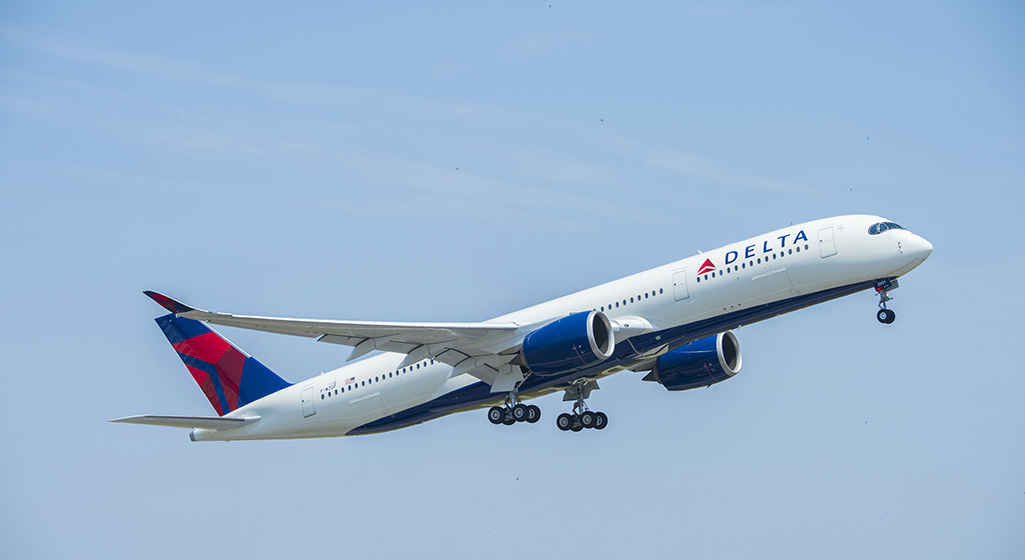
Shortly after takeoff, the landscape began to transform. Vast plains gave way to mountainous terrain, and the cloud cover grew lower and denser. I kept my eyes glued to the window, hoping for a first glimpse of the Andes. When the mountains finally came into view, I was awestruck by their sheer scale.
It wasn’t just a single peak, but an entire expanse of undulating terrain—as if the earth itself had been slowly folded.
Approaching Quito: A City Nestled in the Valleys
As the plane began its descent, the ground below came into sharper focus. Valleys, rivers, roads, and the city’s silhouette gradually emerged.
Quito is not a city that sprawls flat across the land; rather, it is a structure embedded within the mountains. You can see buildings extending along the contours of the terrain and mist drifting between the peaks. The view from the window was truly unique.
On one side stood towering mountains; on the other, the city unfolded. The visual impact came not from urban bustle, but from the landscape itself. I realized I wasn’t just entering a city, but stepping into a spatial system defined by dramatic changes in elevation.
Touchdown: Transitioning to Highland Air
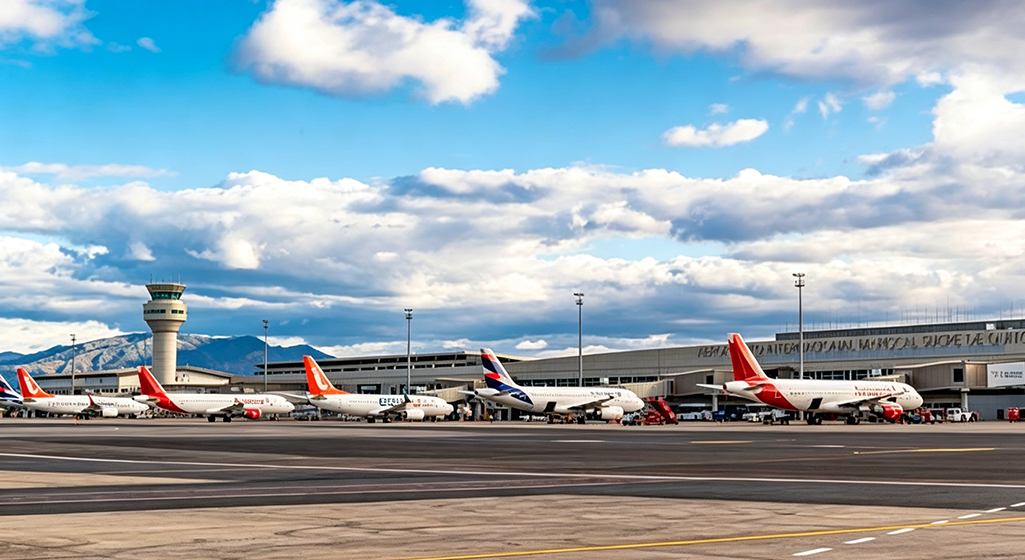
The cabin fell silent as the plane began its descent. Almost all the passengers were gazing out the windows. The runway came into view, the city grew larger, and the mountains seemed to recede. The moment the tires touched the tarmac, I felt a profound sense of arrival—not one of excitement, but of quiet composure, as if my body were finally adjusting to the high-altitude environment.
Stepping off the plane, I was greeted by the highland air—crisp, clean, and noticeably thin. My breathing rhythm shifted subtly.
From Airport to City: The First Leg of the Journey
The drive from Mariscal Sucre International Airport to the city center is a long one, but it offers a fascinating view.
As the vehicle left the airport grounds, the landscape began to change. The highway wound through valleys, with the endless Andes stretching out in the distance. I began to see the city’s outskirts—scattered buildings gradually giving way to denser development, and roads beginning to layer upon one another.
The city appeared embedded within the terrain, rather than simply laid out upon the surface of the earth.
First Glimpse of Quito: A Capital Nestled in the Valley
As the distance closed, the silhouette of Quito began to fully emerge.
It does not sprawl across flat terrain like a conventional capital; instead, it stretches along a valley. Flanked by mountains on either side, the city is cradled between them. This layout struck me deeply.
It is not a “city plan” imposed by human design, but rather the result of the long-term interplay between topography and human activity.
Arrival at Night: The City Lights
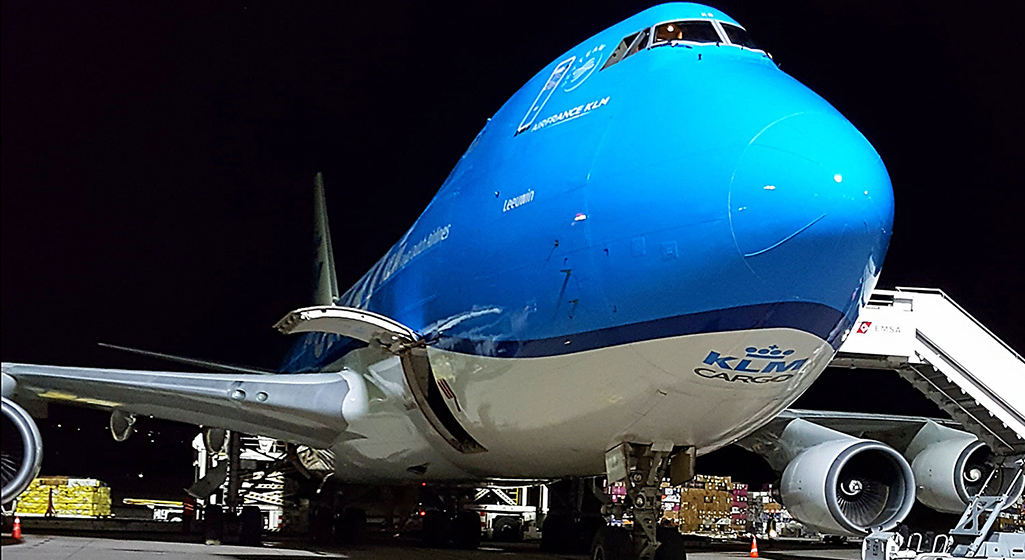
By the time I reached my hotel, darkness had fallen. Quito’s nights are not overly boisterous; lights gradually twinkle to life across the valley, softening the city’s silhouette against the night sky.
Standing by the window, I watched the ribbons of light stretch into the distance. The valley structure I had observed from the plane during the day transformed into a pattern of light at night—a fascinating metamorphosis.
Where Flight Memories Merge with Urban Reality
On my first night in Quito, I found myself constantly revisiting the flight itself. From takeoff and the ascent through the clouds to the appearance of the mountains and the final descent, every image replayed in my mind.
The city outside my window felt like a real-world continuation of those images. The flight hadn’t truly ended; it had simply extended from the sky to the ground.
A Flight That Defined My First Impression of Quito
As I eventually left Quito, I realized that my first impression of the city wasn’t a specific landmark, but the journey of arrival itself. The clouds, the mountains, the transition from airport to valley city, the moment of landing, and the evening lights—all these elements combined to form a complete narrative of entry.
Quito is not a city one “suddenly arrives” in; it unfolds gradually. That flight experience became the key to understanding this highland capital.