Montpellier, a city in the south of France, is not only a treasure trove of culture and history but also a haven for food lovers. As a city close to the Mediterranean, Montpellier’s cuisine is deeply influenced by Mediterranean food culture, blending fresh seafood, rich olive oil, and a variety of fruits, vegetables, and herbs. Together, these elements create a unique gastronomic experience. Every bite is filled with the flavors of Southern France, as if savoring the gifts of nature. Today, I will take you into the heart of Montpellier’s dining scene, showcasing the must-try dishes that define this culinary gem.
1. French Seafood: The Taste of the Ocean in Montpellier
As a city nestled near the Mediterranean Sea, Montpellier boasts a rich tradition of seafood that defines its culinary identity. The proximity to the coast ensures an abundant supply of fresh catch every day, which finds its way into both traditional and contemporary dishes. From fish markets in the old town to fine-dining restaurants by the Lez River, seafood is a cornerstone of local gastronomy. The quality of the ingredients, combined with Southern French culinary techniques, results in dishes that are fresh, flavorful, and deeply connected to the rhythm of the sea.
Bouillabaisse (Seafood Stew)
Originally from Marseille, Bouillabaisse has been embraced by Montpellier and adapted with a local flair. This hearty seafood stew includes a variety of Mediterranean fish such as monkfish, red mullet, and sea bass, as well as shellfish like mussels and prawns. These are simmered together in a broth enriched with tomatoes, fennel, saffron, garlic, and Provencal herbs, creating a symphony of flavors. Often served with toasted bread and rouille sauce, bouillabaisse is a dish to be savored slowly. Pairing it with a chilled glass of Picpoul de Pinet or a crisp Sauvignon Blanc from the Languedoc region elevates the experience to a gourmet delight.
Seafood Salad (Salade de Fruits de Mer)
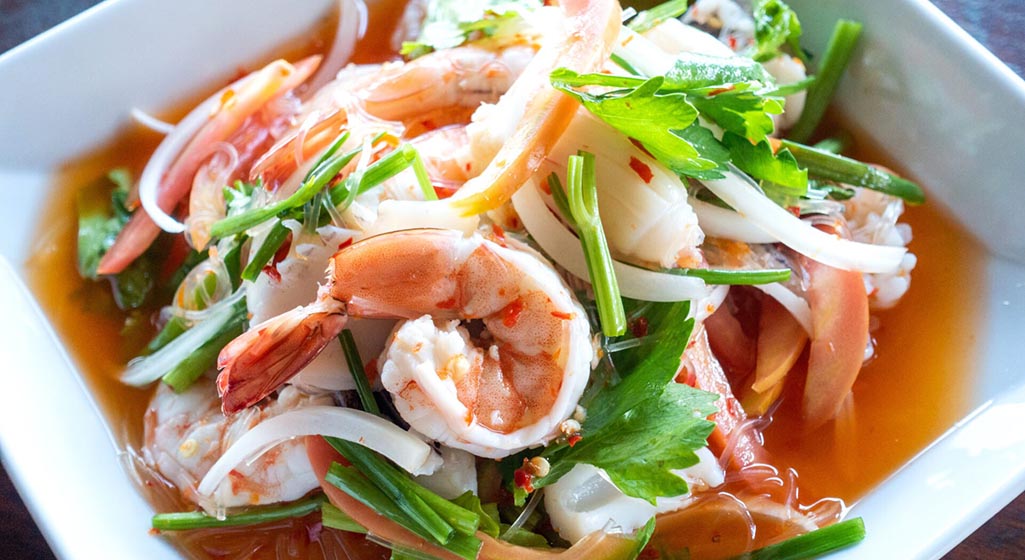
For those who crave something lighter yet equally satisfying, the seafood salad is a perfect choice. Typically served cold, this dish features a mix of poached shrimp, tender squid rings, fresh crab meat, and sometimes octopus or clams. Tossed with chopped cherry tomatoes, cucumbers, capers, and arugula, the ingredients are dressed in a zesty blend of lemon juice, Dijon mustard, and fruity olive oil. The result is a refreshing and nutritious meal that brings the flavors of the sea to your plate. It’s especially popular in beachside bistros during Montpellier’s warm summer days and pairs beautifully with rosé wine.
Escargots de Mer (Sea Snails)
Escargots de mer may be lesser-known than their land-based cousins, but in Montpellier, they are a celebrated local specialty. Harvested from the nearby Mediterranean waters, these sea snails have a chewier texture and a richer, brinier taste. The classic preparation involves slowly braising them with garlic, thyme, bay leaves, white wine, and a generous splash of olive oil. Some versions even include a hint of chili for extra zest. Served in their shells or cleaned and plated, escargots de mer offer a bold culinary experience. They are often enjoyed with rustic bread to soak up the flavorful broth.
2. Olive Oil: The Soul of Southern French Cuisine
In Montpellier, olive oil is far more than just a cooking medium—it’s the soul of the kitchen, a cultural emblem, and a daily necessity. Derived from centuries-old olive groves that stretch across the Languedoc countryside, the local oil is known for its deep green hue, robust aroma, and peppery finish. It plays a central role in enhancing the flavor of everything from meat to vegetables, fish to grains. Whether used raw as a drizzle or cooked slowly into stews and sauces, olive oil in Montpellier is a celebration of nature’s richness and the region’s agricultural heritage.
Olive Oil with Bread (Tartine à l’Huile d’Olive)
One of the simplest yet most satisfying expressions of this ingredient is the classic tartine à l’huile d’olive. A thick slice of crusty country bread, slightly toasted to perfection, serves as the base. The bread is brushed with high-quality olive oil—sometimes infused with garlic or rosemary—and finished with a sprinkle of flaky sea salt and freshly ground black pepper. In some variations, a sliced tomato or anchovy fillet is added for extra depth. Served as a starter or with a glass of wine as an apéritif, this humble dish encapsulates the rustic charm of Southern French cuisine.
Ratatouille (Olive Oil Stew)
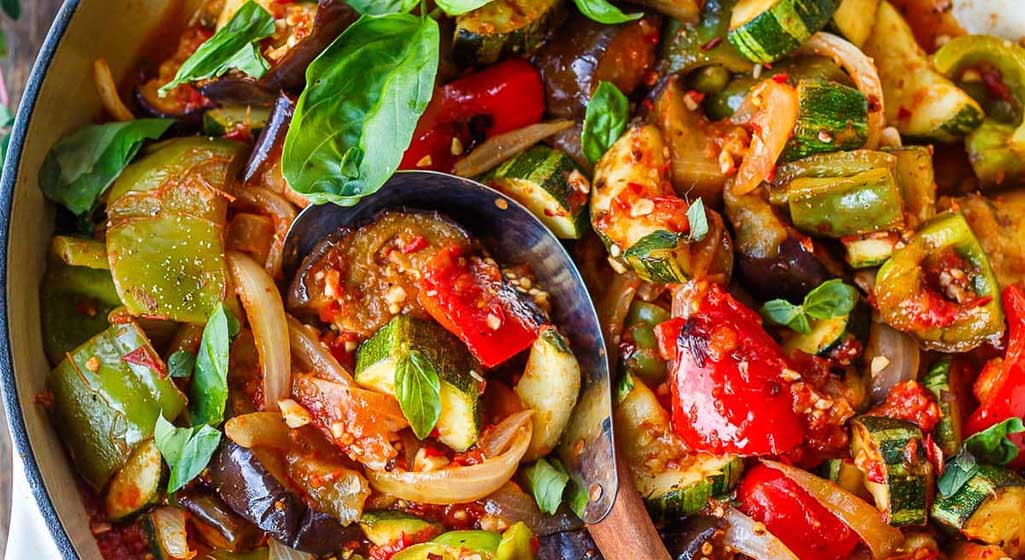
Ratatouille is a vibrant vegetable stew that showcases olive oil as both a flavor and texture enhancer. Prepared using zucchini, eggplant, red and yellow peppers, onions, and ripe tomatoes, the vegetables are sautéed separately to preserve their individual character before being combined and simmered slowly in olive oil. Fresh herbs like thyme, basil, and bay leaf are added to build complexity. This slow cooking allows the oil to draw out the natural sweetness and earthiness of the produce.
3. Mediterranean Herbs: Adding Magic to the Food
Mediterranean herbs are another essential component of Montpellier’s cuisine. These herbs not only elevate the flavor of the dishes but also add a unique freshness, depth, and aromatic complexity that define the essence of Southern French cooking. Grown abundantly under the Mediterranean sun, these herbs are used generously in both traditional and modern recipes.
Herbes de Provence
Herbes de Provence is the quintessential herb mix from Southern France, typically including rosemary, thyme, savory, oregano, marjoram, olive leaves, and sometimes even lavender. The blend is deeply aromatic and used to season a wide variety of dishes—especially meats, grilled vegetables, fish, and hearty stews—infusing them with a distinct countryside character. In many Montpellier restaurants, you’ll find Herbes de Provence sprinkled over grilled sea bass, roasted chicken, or even baked into fresh focaccia. These herbs not only enhance taste but also embody the region’s natural bounty and laid-back lifestyle.
Herb-Roasted Lamb (Agneau de Provence)
Lamb is a common ingredient in traditional Montpellier dishes, especially in the spring and summer months when local herbs are at their freshest. Herb-roasted lamb is a favorite among locals and visitors alike. The meat is marinated overnight with a fragrant mix of Herbes de Provence, garlic, lemon zest, and olive oil, allowing the flavors to deeply penetrate. It’s then slow-roasted until the exterior is crisp and the interior is tender and juicy. Served with seasonal vegetables or creamy potatoes, this dish not only satisfies the palate but also showcases the rustic charm and culinary finesse of Southern French cuisine.
4. French Desserts: Sweet Temptations from the South
No meal in Montpellier is truly complete without indulging in dessert. The desserts of Southern France are known for their delicate textures and refreshing flavors, often featuring fresh local fruits, honey, nuts, and floral notes. These sweet treats are a reflection of the region’s sun-soaked orchards and rich culinary heritage.
Tarte Tatin
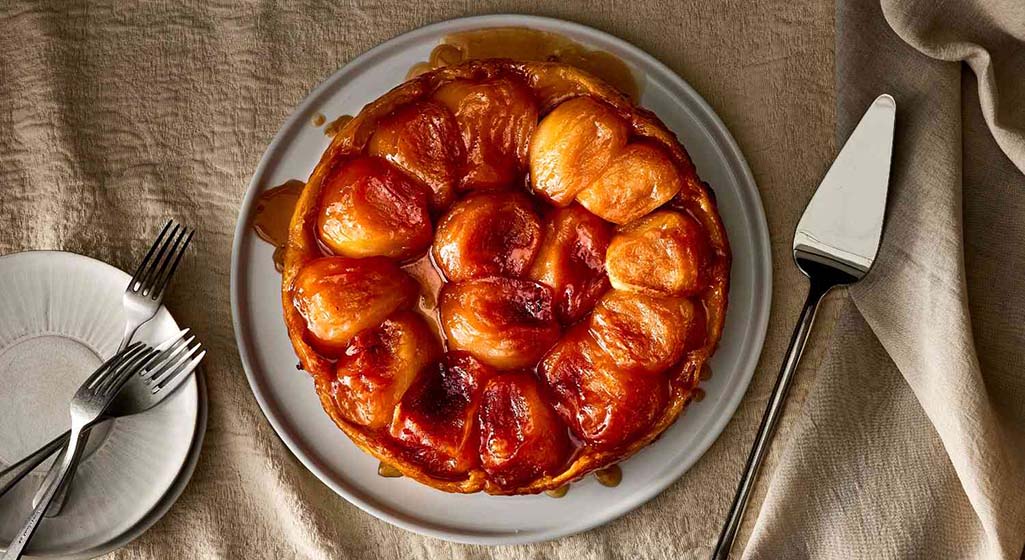
Tarte Tatin is a classic French dessert that originated from the Tatin sisters in the 19th century and has since become a national treasure. This upside-down caramelized apple tart is made by slow-cooking slices of firm apples in butter and sugar until they become golden and sticky, then placing a pastry crust on top and baking it to perfection. Once flipped, the tart reveals a glossy, caramel-rich topping. In Montpellier, many patisseries put their own twist on this beloved dessert—some add a splash of Calvados or a pinch of cinnamon. Served warm with a scoop of vanilla ice cream or a dollop of crème fraîche, Tarte Tatin is the perfect end to a satisfying meal.
Confited Oranges (Oranges Confites)
Confited oranges are another popular dessert in Southern France, celebrated for their vibrant color and intense citrus flavor. The oranges used are often local, thick-skinned varieties with a naturally high sugar content. They are carefully sliced or left whole and simmered for hours in a fragrant syrup made with sugar, vanilla bean, star anise, and cloves. This slow process transforms them into translucent, jewel-like treats with a chewy texture and aromatic sweetness. In Montpellier, they’re served on their own, chopped over cakes, or dipped in dark chocolate for an extra touch of luxury. Paired with a rich espresso or a small glass of dessert wine, confited oranges offer a beautifully simple yet elegant finale to any dining experience.
5. Savoring Montpellier: Experiencing the Charm of Southern France
Whether it’s the seafood dishes filled with the flavors of the ocean or the traditional meals enhanced with Mediterranean herbs and olive oil, Montpellier’s cuisine never fails to impress. Each dish offers a taste of the region’s unique character and connection to nature. For any food lover, Montpellier is undoubtedly a destination worth exploring. I hope you’ll visit this beautiful city and indulge in its culinary treasures, where every flavor tells a story and every meal is an invitation to experience the magic of Southern France.