When I set off on my journey to Toulouse, it was a cold January morning. The southern French city, known as “La Ville Rose” (The Pink City), had been on my travel wish list for a long time, but for various reasons, I had never managed to make the trip. Until this winter, I finally packed my bags and arrived in this city that strikes a balance between tradition and modernity. Upon my first visit to Toulouse, I made several “rookie mistakes,” but I also experienced many pleasant surprises.
1. Winter in Toulouse is not snow-covered, but dressing in layers is key
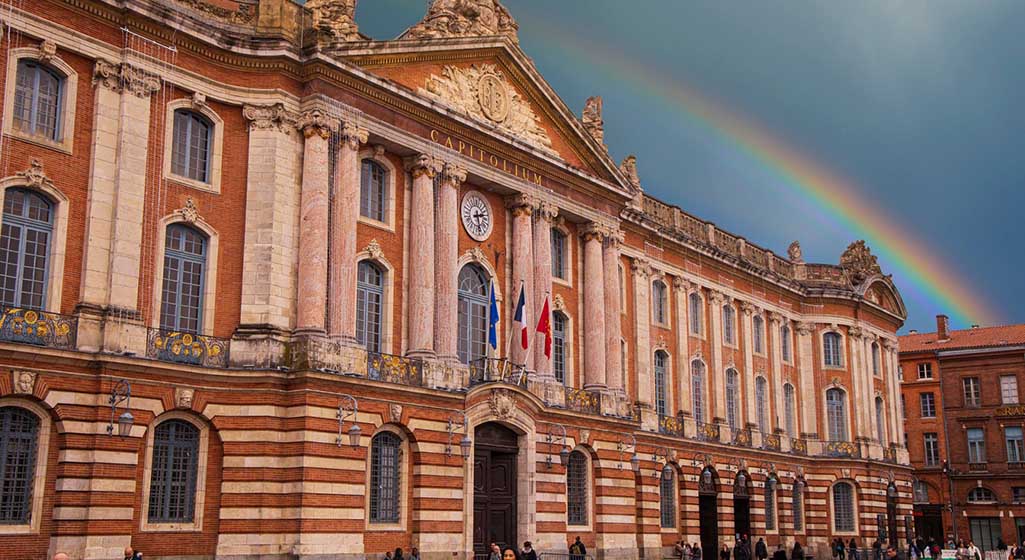
In January, the temperature in Toulouse is much milder compared to Paris, but the temperature difference between day and night can be quite extreme, and the humidity often exceeds expectations. Before my journey, I checked the weather forecast, which predicted daytime temperatures would be between 7 and 12°C. Based on this, I naively thought a thin down jacket would be enough. However, my assumption quickly proved wrong. On the first morning, as I wandered through the almost deserted streets, a biting wind combined with fine rain hit me from every direction, and I found myself shivering uncontrollably. The cafes hadn’t opened yet, leaving me with no refuge, and I ended up walking back and forth in the small square in front of the Town Hall to warm up a bit.
I quickly adjusted my clothing strategy, opting for more layers, prioritizing windproof materials, and ensuring warmth underneath. The most practical combination for winter in Toulouse turned out to be a warm base layer, a medium-weight wool sweater, and a windproof and waterproof outer jacket. A hat, gloves, and scarf are also essential—especially the scarf, which proved to be a lifesaver when the wind picked up. After sunset, the temperature dropped sharply, and some streets even developed a thin layer of ice. Thankfully, I had switched to thick, slip-resistant boots, which made walking much safer, especially in the icy conditions.
2. The city center is walkable, don’t rush to rent a car
Upon my arrival in Toulouse, I initially worried that the city’s attractions might be spread out and far apart, which led me to consider renting a car. However, a local friend wisely advised me, “Toulouse’s city center is very walkable.” She couldn’t have been more right.
From the hotel where I stayed, near the Jean-Jaurès metro station, it only took me about ten minutes on foot to reach the iconic Capitole Square. Continuing my walk west, I soon found myself at the stunning Jacobins Convent, and if I walked a bit further south, I reached the beautiful Garonne River, where I enjoyed the sight of the St. Pierre Bridge and the St. Sylvester Church. Along the way, there were countless charming cafes, cozy bookstores, small artisanal bakeries, and unique handmade shops, all of which encouraged me to stop and take in the local atmosphere. Walking around the city center actually became one of the highlights of my trip, as each corner offered something new to discover.
Toulouse also has a highly efficient public transportation system, which includes the metro, trams, and buses. This system is incredibly convenient, especially on rainy days or when you’re feeling tired after hours of walking. One insider tip I learned quickly is that you can buy a “Tisseo” one-day or three-day pass, which provides unlimited access to the metro and buses. This not only saves time but also cuts down on transportation costs, allowing you to travel the city comfortably and affordably.

3. Learning a few words of French is really helpful
Before my trip, I wasn’t very confident in my French, knowing only a few basic phrases like “Bonjour,” “Merci,” and “Combien ça coûte?” But once I arrived in Toulouse, I was pleasantly surprised to find that even these simple phrases opened many doors for communication. It was amazing how much a simple “Bonjour” could change the interaction. When I walked into an old bakery and tried to order a croissant in French, the shopkeeper’s expression immediately softened, and she smiled as she slowly and clearly introduced me to the freshly baked pastries of the day. It was like I had made an instant connection, even though my French was far from perfect. When I asked for directions in English, some locals seemed hesitant or unsure, but when I switched to simple French, they became much more willing to help enthusiastically. It was as if the effort to speak their language made a huge difference.
Although Toulouse is one of the larger cities in southern France, fewer people speak English compared to Paris, especially in traditional restaurants and small shops. So my advice is: even for a short trip, spend an hour or two learning a few common French phrases. It will definitely make your experience more enjoyable and less stressful. Whether it’s ordering food, asking for directions, or just exchanging pleasantries, speaking a little French will be greatly appreciated by the locals. By the way, people in Toulouse speak quickly, and their accent carries a strong southern French influence. But don’t worry—just keep smiling and say “Merci beaucoup,” and most people will patiently listen until you finish speaking. You might even get a compliment on your efforts, which is always a nice bonus!
4. Don’t miss the local food—winter is the best time to indulge
The winter in Toulouse is the perfect time to enjoy traditional French stews and hearty dishes. What impressed me the most was the local signature dish, “Cassoulet.” This rich and flavorful stew is made by slow-cooking white beans, sausages, and duck legs for hours, creating a dish so hearty and comforting that it felt like a warm embrace from the inside. A single bite immediately warms you from the inside out. Although the portion was massive, I polished it off at a traditional restaurant called Le Colombier, savoring every spoonful. The combination of tender beans, savory sausages, and rich duck leg was absolutely divine, making it one of the most memorable meals of my trip.
Another must-try dish is “Saucisse de Toulouse” (Toulouse sausage), which appears in stews, baked rice, or grilled dishes. The sausage is known for its unique blend of herbs and spices that give it a distinct flavor. The crispy exterior and tender interior had such a delightful aroma that I couldn’t resist buying a few vacuum-packed sausages to take home. These sausages truly capture the essence of Toulouse’s culinary tradition, and I enjoyed savoring them back home, reminiscing about the cozy atmosphere of the city.
Of course, you can’t forget about dessert. Even though January is not the season for strawberries or cherries, locals choose desserts made from citrus fruits and chestnuts, such as chestnut cake and citrus tart. These desserts have a warming, comforting quality that’s perfect for the chilly winter weather. Winter-exclusive treats often appear in local pastry shops, beautifully decorated and with complex layers of flavors—definitely worth trying. The chestnut cake, with its rich and smooth texture, was a standout, while the citrus tart had a delightful tang that balanced out the sweetness.
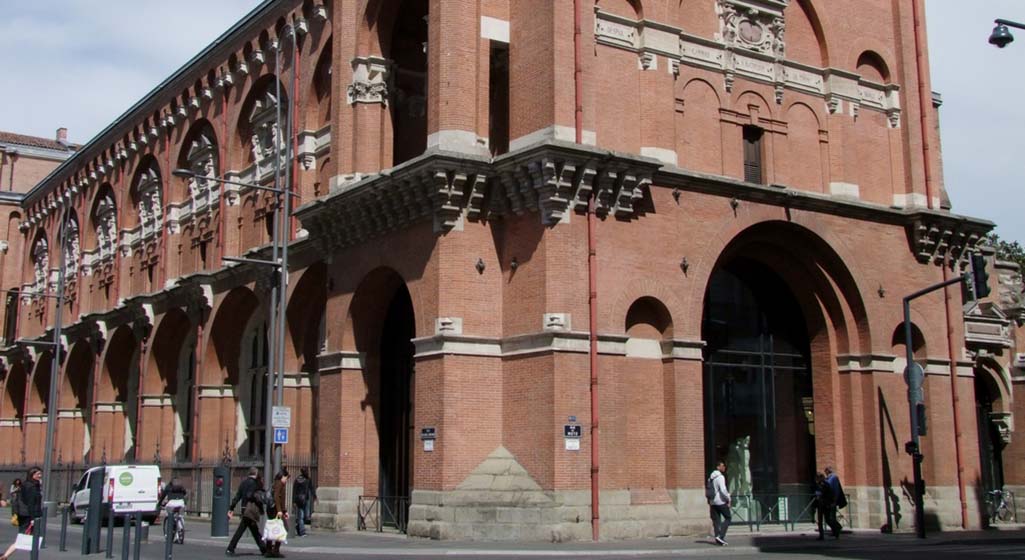
Another winter-exclusive surprise is the hot wine stalls. At the winter market near Capitole Square, I came across a vendor selling mulled wine with lots of spices. The aroma of cinnamon, orange peel, and cloves mixed with the wine was intoxicating, and it made the cold evening feel much warmer. I took my cup of mulled wine and wandered around the square, soaking in the festive atmosphere. That evening, I sipped the wine while watching the light show in the square, feeling like I was in a fairy tale. It’s these little moments—like enjoying a hot drink in the middle of a beautiful square—that make winter in Toulouse so special.
5. Understanding the city’s history adds depth to your travel experience
Toulouse is a city with over two thousand years of history. At first glance, it may not be as grand as Paris or as idyllic as Provence, but the city has a kind of quiet, solid depth that waits to be discovered.
I spent an entire afternoon visiting the Musée des Augustins, which houses art from the Middle Ages to the 19th century, including many religious sculptures and paintings. The museum, which was originally a convent, has a peaceful courtyard and stone cloisters, and the winter sunlight made it all the more mesmerizing.
Additionally, I joined a city tour led by a local historian. From the Roman ruins to the Viking invasions, from the Airbus headquarters to the European Space City, I realized that Toulouse is not just a historic city—it’s also a major hub for aerospace and aviation industries.
This city may not be one that “wows” you at first sight, but it’s one that grows on you. Every church and alley has a story, and if you’re willing to slow down, the city will gradually reveal its charm.
When I first arrived in Toulouse, I had a mix of hesitation and curiosity, but just a few days later, this winter “Pink City” had quietly imprinted itself in my memory. Whether it was the misty square in the morning, the peaceful grandeur of the convent, or the shimmering Garonne River under the winter sun, every corner exuded a quiet and warm charm.